Low Magnesium: Why Your Blood Test Often Misses It
Serum magnesium looks normal while tissue stores are depleted. Here's what the test actually measures, the symptoms it misses, and how to get a more complete picture.
Why serum magnesium is an unreliable marker
The standard blood test measures the wrong pool. Understanding this gap is the key to interpreting magnesium results correctly.
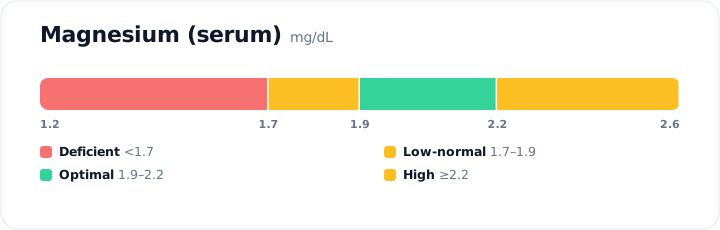
The body treats serum magnesium as a priority. When intake drops or losses increase, it pulls magnesium from bone and intracellular stores to keep blood levels in range. This homeostatic mechanism means serum magnesium is the last thing to fall, the blood test stays normal while tissue stores deplete. By the time serum magnesium drops below 1.7 mg/dL and triggers a lab flag, deficiency is typically significant.
This matters because most GP panels include only serum magnesium. A result in the normal range is commonly interpreted as "magnesium is fine", but it largely confirms only that the body is still successfully defending serum levels at the expense of other stores. Symptoms of magnesium insufficiency can cluster at serum levels the lab calls normal, particularly in people with conditions that increase magnesium losses.
Magnesium is also not included in the standard comprehensive metabolic panel (CMP). If you want serum magnesium tested, you typically need to request it as an add-on. RBC magnesium requires an explicit request and may not be available from all labs.
What low magnesium actually causes
The symptoms are common and non-specific, which is exactly why magnesium insufficiency goes undetected. The cluster matters more than any single symptom.
Reference range vs the fuller picture
The lab flag catches overt deficiency. Insufficiency at normal-range levels is harder to detect and more common than the lab cutoff implies.
| Serum magnesium level | Lab classification | Clinical picture | Status |
|---|---|---|---|
| Above 2.2 mg/dL (0.9 mmol/L) | Hypermagnesaemia | Elevated serum magnesium is uncommon except in kidney disease or excessive supplementation. Requires clinical assessment. | Elevated |
| 1.9–2.2 mg/dL (0.78–0.9 mmol/L) | Normal (upper half) | Lab-normal. Intracellular stores are likely adequate in most people. Functional medicine practitioners consider this the target zone. | Optimal |
| 1.7–1.9 mg/dL (0.7–0.78 mmol/L) | Normal (lower half) | Lab-normal, but the mismatch between serum and intracellular status is most common here. Symptoms of insufficiency can occur. RBC magnesium may reveal low intracellular levels not visible in serum. | Borderline |
| Below 1.7 mg/dL (0.7 mmol/L) | Hypomagnesaemia | Lab-flagged deficiency. At this level, intracellular stores are significantly depleted. Symptoms are likely. Supplementation and investigation of underlying cause is warranted. | Address |
The serum-intracellular mismatch is particularly pronounced in diabetes and insulin resistance. Elevated glucose and insulin increase urinary magnesium excretion through the kidneys, and intracellular stores deplete even when serum levels look adequate. Studies in type 2 diabetes consistently show lower intracellular magnesium compared to controls, even in patients with normal serum levels. This creates a situation where the standard lab test is least informative in the population most likely to be magnesium-insufficient.
Common causes of low or insufficient magnesium
Getting the cause right determines whether dietary changes alone are sufficient, or whether there's an ongoing loss that needs addressing first.
Serum magnesium vs RBC magnesium: what to request and when
Understanding the difference between these two tests changes how to interpret a normal result.
- Measures magnesium in blood plasma, roughly 1% of total body stores
- Tightly regulated — the body defends this pool at the expense of tissues
- Can appear normal while intracellular stores are depleted
- Lab flags below ~1.7 mg/dL — by which point deficiency is usually significant
- Not included in standard CMP — must be added separately
- Measures magnesium inside red blood cells, reflecting intracellular status
- More sensitive indicator of tissue magnesium stores
- Can detect insufficiency before serum levels fall
- Preferred by functional medicine and integrative practitioners
- Not universally available — check with your lab before requesting
If you have symptoms consistent with magnesium insufficiency (muscle cramps, poor sleep, anxiety, fatigue) but a normal serum magnesium, requesting RBC magnesium is a reasonable next step. Functional medicine practitioners often use it as a standard part of fatigue or muscle cramp workups. Some labs will include it with a specific request; others will require a specialist referral.
Practically: if serum magnesium is in the lower half of the normal range (1.7–1.9 mg/dL) and you have the symptom cluster described above, a trial of well-absorbed magnesium supplementation is a reasonable approach regardless of whether you can access RBC testing. Response to supplementation is itself diagnostic information.
Supplementation: forms, doses, and what actually absorbs
Not all magnesium supplements are equivalent. The form matters more than the dose on the label.
Frequently asked questions
What does low magnesium feel like?
What is the normal range for magnesium on a blood test?
Can you have low magnesium with a normal blood test?
What causes low magnesium?
What is the difference between serum magnesium and RBC magnesium?
References & Guidelines
See which markers your blood test is missing
Upload your blood report and get a prioritised analysis of every marker on your panel, including the ones that sit in the normal range but flag insufficiency in context. Free, 45 seconds.
Analyze My Blood Test →