High HbA1c: what your result means and how to lower it

A high HbA1c isn't a fixed state. This guide covers what the number means by zone, the five modifiable drivers behind it, and the interventions with the strongest evidence for bringing it down.
Analyse My Blood Report HbA1c explained
Evidence-based thresholds 40+ markers analysed Free, no account needed

What your HbA1c number means by zone

Labs flag the diabetes threshold. But the meaningful zone for action starts lower — and the difference between 5.8% and 6.4% is not trivial.

HbA1c (US %) HbA1c (UK mmol/mol) Classification What it means Status
Below 5.4% Below 36 Optimal Strong metabolic health. Average glucose around 90 mg/dL (5.0 mmol/L). No action required beyond maintaining current habits. Optimal
5.4–5.6% 36–38 Acceptable Within normal range but trending. Worth monitoring at next annual blood test. No clinical intervention warranted but lifestyle review is sensible if trending up year over year. Monitor
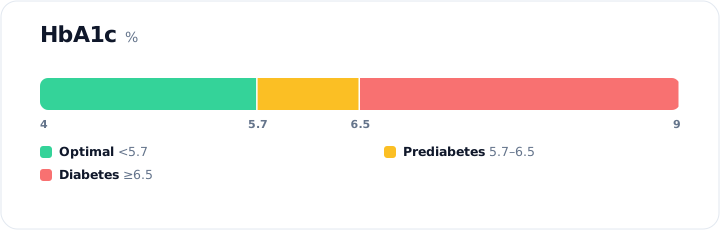
5.7–6.4% 39–47 Pre-diabetes Average glucose in the 120–140 mg/dL range. This is the action zone. Lifestyle changes at this stage have the strongest evidence — a 2002 NEJM trial showed 58% reduction in progression to diabetes with diet and exercise vs 31% with metformin. Act Now
6.5% or above 48 or above Diabetes (diagnostic) Requires confirmation with a second test. Average glucose above 140 mg/dL. Clinical management is warranted. Lifestyle changes remain highly effective — a 1% reduction in HbA1c translates to substantial reduction in complication risk (UKPDS). Clinical review

One thing worth understanding: labs report your result as a single number, but HbA1c is better thought of as a distribution. Red blood cells have varying lifespans and glucose exposure over the 3-month window isn't uniform. A result of 6.3% and a result of 6.5% are clinically indistinguishable — the zone matters, not the decimal. When interpreting a borderline result, context from fasting glucose and fasting insulin matters more than the precise digit.

HbA1c can also be falsely elevated or suppressed in specific situations. Iron deficiency anaemia raises it artificially (fewer red blood cells means each cell carries more glycated haemoglobin per the measurement). Haemolytic conditions, recent blood transfusion, and some haemoglobin variants lower it artificially. If a result seems out of proportion with your symptoms or recent diet, mention these to your GP before acting on the number.

Five modifiable drivers of high HbA1c

HbA1c reflects average glucose over 3 months. To lower it, you need to know which input is driving it up — because the intervention differs depending on the root cause.

🍞
Refined carbohydrate and sugar load
The most direct driver. Refined carbohydrates — white bread, rice, pasta, sugary drinks, ultra-processed foods — spike blood glucose rapidly and repeatedly. Each spike contributes to the 3-month average. The glycaemic load of your habitual diet is the single most modifiable variable for most people with elevated HbA1c.
🏃
Sedentary behaviour and insufficient movement
Muscle is the primary site of glucose disposal. Inactive muscle cells lose insulin sensitivity, meaning glucose stays in circulation longer after meals. The fix isn't extreme exercise — a 10-minute walk after meals reduces post-meal glucose by 12% compared to sitting, according to a 2022 study in Sports Medicine. Resistance training builds the glucose-absorbing tissue itself.
⚖️
Excess body fat, especially visceral
Visceral fat (the fat around abdominal organs, not subcutaneous fat) is metabolically active and secretes inflammatory signals that impair insulin signalling. Weight loss has a direct effect on HbA1c: roughly 0.1% reduction per kilogram lost in people with pre-diabetes or type 2 diabetes, though the relationship is stronger at higher starting HbA1c levels.
😴
Poor sleep and chronic stress
Short sleep duration and poor sleep quality raise cortisol, which directly raises blood glucose through gluconeogenesis (the liver releasing glucose from stores). A night of 4 hours' sleep can raise fasting glucose by 15–20% in healthy adults. Chronic psychological stress has the same mechanism. These factors are underweighted in most HbA1c discussions but are clinically relevant.
💊
Medications and non-lifestyle factors
Corticosteroids (prednisolone, dexamethasone) raise blood glucose directly. Some antipsychotics, beta-blockers, and thiazide diuretics also impair glucose handling. If you're on any of these and HbA1c has risen since starting them, this is a conversation to have with your GP. The elevation is real, but the cause is distinct from metabolic drivers and the management differs.

How fast HbA1c can realistically fall

HbA1c is a 3-month average. It can't change overnight — but it can change meaningfully within one testing cycle if the inputs shift.

0.5–1.0%
Dietary change alone (3 months)
Low-glycaemic diet, reduced refined carbohydrates, no sugary drinks. A 2019 PLOS Medicine meta-analysis found 0.96% average reduction vs control at 3–6 months.
0.3–0.6%
Exercise alone (3 months)
150 minutes/week of moderate aerobic activity, or resistance training 3×/week. Additive to dietary changes — the combination achieves more than either alone.
0.1% per kg
Weight loss effect (approximate)
In people with pre-diabetes or diabetes. Stronger at higher starting HbA1c. 5–10 kg weight loss is achievable in 3 months with a caloric deficit and typically reduces HbA1c by 0.5–1.0%.
1.0–2.0%
Lifestyle + weight loss combined (6 months)
The Diabetes Prevention Program found 5–7% body weight reduction + 150 min/week exercise reduced HbA1c progression substantially more than metformin at 3 years.

A practical way to think about this: if your HbA1c is 6.2% today and you start consistent changes, your next test in 3 months should show movement. A result that hasn't changed at all after 3 months of genuine dietary change is informative — it suggests either the changes weren't as consistent as perceived, or there's an additional driver (medication, sleep, stress) that hasn't been addressed.

The 3-month testing interval is not arbitrary. Red blood cells live roughly 90–120 days, which is why HbA1c reflects that window. Testing more frequently than 3 months is unlikely to show meaningful change even with good adherence — the mechanism is slow by definition.

HbA1c looks fine, but you're still symptomatic?
HbA1c is a lagging indicator. Fasting insulin can be elevated for years before HbA1c rises — meaning you can have active insulin resistance with a completely normal HbA1c. If you have symptoms of blood sugar dysregulation (fatigue after meals, strong carb cravings, energy crashes) and HbA1c is in range, fasting insulin is the next test.
Read: Fasting Insulin — the test that catches insulin resistance years early

The intervention protocol, step by step

The most effective approach addresses glucose spikes (diet), glucose disposal (movement), and fasting glucose (weight and sleep). All three together produce more than any one alone.

1
Eliminate the highest-glycaemic inputs first
Sugar-sweetened drinks have the largest single-item impact on HbA1c and the easiest removal. Replace them with water, sparkling water, or unsweetened tea. Then address refined carbohydrates: replace white bread and white rice with wholegrain alternatives, add protein and fat to meals that are currently carbohydrate-only, and eat vegetables first (they slow gastric emptying and blunt the glucose spike from the rest of the meal).
2
Walk after meals, every meal you can manage
Post-meal walking is one of the highest-return interventions for glucose control. A 10-minute walk within 30 minutes of eating reduces the post-meal glucose spike by activating muscle glucose uptake without requiring a significant caloric deficit or dedicated gym time. Start with the largest meals (typically dinner) and add others as the habit beds in.
3
Add resistance training
Muscle is the primary site of glucose disposal — more muscle means more capacity to clear glucose from the blood. Resistance training (bodyweight, weights, resistance bands) 2–3 times per week builds this capacity over 6–12 weeks. The effect on HbA1c from resistance training alone is comparable to aerobic exercise, and the combination exceeds either alone.
4
Protect sleep quality
Sleep deprivation raises cortisol, which raises fasting glucose. A consistent sleep schedule (same bedtime and wake time), limiting alcohol (which disrupts sleep architecture), and keeping the bedroom cool and dark are the three variables with the best sleep quality evidence. If sleep is significantly impaired by a sleep disorder, addressing it has a direct metabolic benefit that diet alone can't compensate for.
5
Retest at 3 months, not sooner
Check your HbA1c after 3 months of consistent changes. If it hasn't moved, review the actual consistency of the changes (a food diary for 1 week is often revealing), check fasting insulin if you haven't already, and discuss medication factors with your GP if relevant. A result that hasn't moved despite genuine effort is a signal to investigate further, not to try harder with the same approach.
Note: If your HbA1c is at or above the diabetes threshold (6.5% / 48 mmol/mol), the interventions above are still appropriate and effective, but clinical review is warranted. The management decisions around medication (metformin, GLP-1 agonists, etc.) depend on your full clinical picture including kidney function, weight, cardiovascular risk, and other markers. The information here is not a substitute for that conversation.

What to test alongside HbA1c

HbA1c gives you the 3-month average. These markers give you the mechanism — which is what tells you what to fix.

FPG
Fasting plasma glucose
Confirms the HbA1c picture and rules out test interference from anaemia. Fasting glucose above 100 mg/dL (5.6 mmol/L) alongside elevated HbA1c strengthens the picture. Normal fasting glucose with elevated HbA1c warrants a recheck or alternative cause review.
FI
Fasting insulin + HOMA-IR
High HbA1c with low or normal fasting insulin suggests beta cell underproduction (a different mechanism than insulin resistance). High HbA1c with high fasting insulin confirms insulin resistance — the pancreas is compensating but the cells aren't absorbing well. The distinction matters for which interventions work best.
TG/HDL
Triglycerides and HDL
High triglycerides alongside low HDL is a strong indirect marker of insulin resistance. This pattern on a lipid panel, combined with elevated HbA1c, points clearly to a metabolic syndrome picture that warrants a broader lifestyle intervention rather than just glycaemic control in isolation.

Frequently asked questions

What is considered a high HbA1c?
In the US, 5.7% begins the pre-diabetes zone and 6.5% is the diabetes diagnostic threshold. In the UK, pre-diabetes begins at 42 mmol/mol and diabetes at 48 mmol/mol. Many clinicians in metabolic health consider the optimal zone to be below 5.4% (36 mmol/mol). Labs typically flag only at the diabetes threshold, which means a result of 6.3% can be returned as "within range" when it's clinically significant.
How fast can HbA1c come down?
HbA1c reflects average blood glucose over roughly 3 months, so it changes slowly. A realistic reduction with consistent dietary and lifestyle changes is 0.5–1.5 percentage points in 3 months. More substantial changes — significant weight loss plus dietary overhaul plus regular exercise — can produce 1–2 percentage point reductions over 6 months. Testing more frequently than every 3 months won't show meaningful change even with good adherence.
Can HbA1c be high without having diabetes?
HbA1c in the 5.7–6.4% pre-diabetes range is elevated average glucose without meeting the diagnostic threshold for diabetes. It can also be falsely elevated by iron deficiency anaemia, chronic kidney disease, or certain haemoglobin variants. A borderline result that seems inconsistent with your diet and symptoms warrants a repeat test or supplementary measurement such as fasting glucose or an oral glucose tolerance test.
What foods lower HbA1c?
No single food lowers HbA1c. The dietary pattern with the strongest evidence is low-glycaemic and high in fibre: non-starchy vegetables, legumes, whole grains over refined carbohydrates, and no sugar-sweetened drinks. Eating carbohydrates alongside protein, fat, and fibre slows glucose absorption. A 2019 meta-analysis in PLOS Medicine found that low-carbohydrate diets reduced HbA1c by 0.96 percentage points compared to control at 3–6 months.
What should I test alongside HbA1c?
Fasting glucose (to confirm the picture and rule out interference), fasting insulin or HOMA-IR (to test for insulin resistance before glucose rises further), and a lipid panel (high triglycerides with low HDL is a strong indirect marker of metabolic syndrome). If HbA1c is in the diabetic range, kidney function markers are also relevant — renal impairment affects which medications are appropriate.

See where HbA1c sits in your full picture

Upload your blood test and FixFirst ranks HbA1c alongside fasting glucose, triglycerides, and insulin resistance markers — and tells you which to address first. 45 seconds, free, no account.

Analyse My Report Free