How to Read a Comprehensive Metabolic Panel

A CMP reports 14 numbers across kidney, liver, electrolyte, and glucose clusters. Most people scan for flags and miss what the combinations tell them. Here's the right reading order and the patterns that carry the most clinical weight.

Written by Ankit Agarwal·Medically reviewed by Dr. Prahlad Rai Gupta, MBBS, MD·Published ·Last reviewed
Covers all 14 CMP markers Explains the key patterns Based on KDIGO, AASLD, ADA guidelines
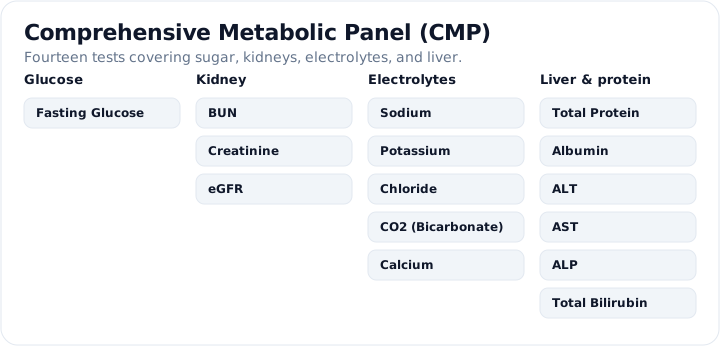
Diagram of comprehensive metabolic panel markers grouped into glucose, kidney, electrolyte, and liver and protein families.
A comprehensive metabolic panel groups fourteen tests into glucose, kidney (BUN, creatinine, eGFR), electrolytes (sodium, potassium, chloride, CO₂, calcium), and liver/protein markers.
New to the CMP?
This guide covers how to interpret the numbers on your report. For a full breakdown of what a CMP is, who orders it, and what each cluster is screening for, start with the overview.
What a comprehensive metabolic panel tests for

The four clusters — reading order matters

A CMP groups into four distinct areas. Read by cluster, not by scanning down a list of values with H and L flags.

Cluster 1 of 4
Kidney Function
The kidney cluster screens for filtration capacity. Creatinine and BUN are the waste products; eGFR is the calculated estimate of how well your kidneys are clearing them.
Creatinine
Normal: 0.7–1.3 mg/dL (men) / 0.6–1.1 mg/dL (women)
Waste product from muscle metabolism. Elevated creatinine means reduced filtration. Muscle mass affects the baseline — a muscular person will have higher creatinine without kidney dysfunction. Read alongside eGFR, not in isolation.
BUN (Blood Urea Nitrogen)
Normal: 7–20 mg/dL
Protein breakdown waste product. High BUN with normal creatinine often reflects high-protein diet or mild dehydration. The BUN/creatinine ratio above 20 suggests dehydration or gastrointestinal bleeding rather than kidney disease.
eGFR
Normal: ≥60 mL/min/1.73m² (age-adjusted)
Calculated from creatinine, age, and sex. Above 90 is normal. 60–89 is mildly reduced (often age-related and acceptable). Below 60 on two tests at least 3 months apart meets KDIGO 2012 diagnostic criteria for chronic kidney disease.
Cluster 2 of 4
Liver Enzymes
The liver cluster covers four enzyme markers. The pattern of which ones are elevated — and by how much — points to different types of liver stress.
ALT (Alanine Aminotransferase)
Normal: <56 U/L (men) / <45 U/L (women) — AASLD 2023
The most liver-specific enzyme on the panel. Elevated ALT points to liver cell damage. Mild elevation from fatty liver, alcohol, NSAIDs, or statins is common. Elevation above 3× upper limit needs investigation.
AST (Aspartate Aminotransferase)
Normal: <40 U/L
Less liver-specific than ALT — also found in muscle, heart, and red blood cells. An AST/ALT ratio above 2:1 suggests alcohol-related liver disease. AST elevated without ALT elevation often reflects muscle damage rather than liver damage.
ALP (Alkaline Phosphatase)
Normal: 44–147 U/L (varies by age and sex)
Elevated ALP points to bile duct obstruction or bone disease rather than liver cell damage. ALP elevated alongside GGT strongly suggests bile duct pathology. Normal GGT with high ALP points toward bone.
Total Bilirubin
Normal: 0.2–1.2 mg/dL
Breakdown product of haemoglobin. Mildly elevated bilirubin (1.2–3 mg/dL) without other liver enzyme abnormalities often reflects Gilbert's syndrome — a benign genetic variant. Elevated bilirubin alongside abnormal ALT, AST, or ALP requires further investigation.
Cluster 3 of 4
Electrolytes
Electrolytes regulate fluid balance, nerve conduction, and muscle function. They're typically stable in healthy adults — an abnormality usually reflects a specific cause worth investigating.
Sodium
Normal: 136–145 mEq/L
The primary fluid balance electrolyte. Low sodium (hyponatraemia) has many causes — excess water intake, diuretics, kidney disease, or hormonal dysfunction. High sodium (hypernatraemia) usually reflects dehydration.
Potassium
Normal: 3.5–5.0 mEq/L
Potassium outside this range affects heart rhythm. Values below 3.0 or above 6.0 warrant prompt review. Common causes of low potassium: diuretics, vomiting, diarrhoea. High potassium: kidney dysfunction, ACE inhibitor use, or haemolysis during the blood draw (falsely elevated).
CO2 (Bicarbonate)
Normal: 22–29 mEq/L
Measures acid-base balance, not carbon dioxide gas. Low bicarbonate suggests metabolic acidosis (causes include kidney disease, diabetic ketoacidosis, hyperventilation). High bicarbonate suggests metabolic alkalosis from vomiting or diuretic use.
Calcium
Normal: 8.5–10.2 mg/dL
Elevated calcium (hypercalcaemia) is commonly caused by hyperparathyroidism or, less often, malignancy. It warrants parathyroid hormone (PTH) testing. Low calcium without explanation (not dietary) needs investigation.
Cluster 4 of 4
Glucose & Protein
The metabolic and nutritional markers. Glucose catches blood sugar abnormalities; albumin and total protein reflect nutritional status and liver synthetic function.
Fasting Glucose
Normal: 70–99 mg/dL fasting
ADA categories: 70–99 mg/dL normal, 100–125 mg/dL prediabetes, 126+ mg/dL diabetic (on two separate tests). Values of 90–99 are technically normal but sit at the upper end of the healthy range. Pair with HbA1c and consider fasting insulin for a fuller insulin resistance picture.
Albumin
Normal: 3.5–5.0 g/dL
The most abundant blood protein, synthesised in the liver. Low albumin can reflect poor nutrition, chronic liver disease, or significant inflammation. Chronically low albumin is a non-specific but clinically significant finding.
Total Protein
Normal: 6.3–8.2 g/dL
Combined albumin and globulin. High total protein with normal albumin suggests elevated globulins — which can occur with chronic infection, inflammatory conditions, or in some cases lymphoma. Usually investigated further if total protein exceeds 9 g/dL.

The patterns that matter more than single-marker flags

Individual H/L flags catch outliers. The meaningful clinical information is usually in how markers relate to each other.

Liver pattern
High ALT + high AST — same direction matters
Both elevated together means liver cell damage. The AST:ALT ratio distinguishes cause: above 2:1 suggests alcohol-related disease; below 1:1 points toward non-alcoholic fatty liver or medication effect. When ALT is elevated and AST is normal, muscle injury is a likely cause — not liver.
Kidney pattern
High creatinine + low eGFR — confirm with repeat
A single creatinine elevation doesn't mean chronic kidney disease. Dehydration, intense exercise, and some medications raise creatinine acutely. KDIGO guidelines require two abnormal results at least 3 months apart to diagnose CKD. One flag is a reason for repeat testing, not alarm.
Glucose pattern
Borderline fasting glucose (90–125 mg/dL) — needs context
Fasting glucose of 100–125 mg/dL is prediabetes range. Fasting glucose of 90–99 is technically normal but pairs with a TG/HDL ratio above 3.0 as an early insulin resistance signal. HbA1c and fasting insulin fill in what a single glucose reading can't show.
Calcium pattern
High calcium — the two most common causes
Calcium above 10.5 mg/dL has two main causes accounting for 90% of outpatient cases: primary hyperparathyroidism (benign, common, often asymptomatic) and hypercalcaemia of malignancy. A PTH level separates these: high PTH points to hyperparathyroidism; low PTH with high calcium points elsewhere.

Once you've read the clusters

Knowing what each marker measures is step one. Knowing which value in your panel to address first is step two.

Upload to FixFirst
Get your CMP ranked by clinical urgency in 45 seconds
Upload your PDF and FixFirst reads all 14 CMP markers alongside the rest of your panel — identifies borderline values labs don't flag, recognises cross-cluster patterns, and tells you what to address first.
Upload My Report →
Elevated liver enzymes?
What high ALT means — and what to rule out
Fatty liver, alcohol, statins, NSAIDs, and intense exercise all elevate ALT. The level of elevation and the AST:ALT ratio narrow down the cause significantly before any follow-up testing.
Liver function tests: what the enzymes tell you

Your questions, answered

What does a comprehensive metabolic panel test for?
A CMP includes 14 markers: kidney function (creatinine, BUN, eGFR), liver enzymes (ALT, AST, ALP, bilirubin), electrolytes (sodium, potassium, CO2, chloride, calcium), and metabolic markers (fasting glucose, total protein, albumin). It screens for organ function but does not include ferritin, thyroid hormones, lipids, or fasting insulin.
What is a normal creatinine level?
Sex-adjusted ranges: 0.7–1.3 mg/dL for men, 0.6–1.1 mg/dL for women. Creatinine is waste from muscle metabolism filtered by the kidneys. Muscle mass affects the baseline — a highly muscular person will run higher creatinine without kidney dysfunction. Read it alongside eGFR rather than in isolation.
What does high ALT mean on a CMP?
ALT is primarily a liver enzyme. Elevation indicates liver cell damage or stress. Mild elevation (1–3× the upper limit) has many causes: fatty liver disease, alcohol, statins, NSAIDs, or intense exercise in the days before the test. Moderate elevation (3–10×) needs investigation. Above 10× needs urgent medical review. Normal ranges per AASLD 2023: below 56 U/L for men, below 45 U/L for women.
What does low eGFR mean?
eGFR estimates how much blood your kidneys filter per minute. Above 90 is normal. 60–89 is mildly reduced (often age-related). Below 60 warrants repeat testing. KDIGO 2012 guidelines require two readings below 60 at least 3 months apart to diagnose chronic kidney disease — one low result alone isn't diagnostic.
What does low CO2 on a CMP mean?
CO2 on a CMP measures bicarbonate (acid-base balance), not carbon dioxide gas. Normal: 22–29 mEq/L. Low bicarbonate suggests metabolic acidosis — causes include kidney dysfunction, diabetic ketoacidosis, and hyperventilation. A mildly low reading without symptoms often repeats normally and may be a lab variation or breathing change during the draw.
Medical disclaimer: FixFirst is an educational tool, not a medical device. Content is reviewed by Dr. Prahlad Rai Gupta, MBBS, MD. Reference ranges are based on clinical guidelines from KDIGO 2012 (kidney), AASLD 2023 (liver), and the American Diabetes Association 2024 Standards of Care. Always consult a licensed healthcare provider before making changes to your health plan.

See what your CMP is telling you — across all four clusters.

Free. No account. Works with any lab report in 45 seconds.

Upload My Report →